
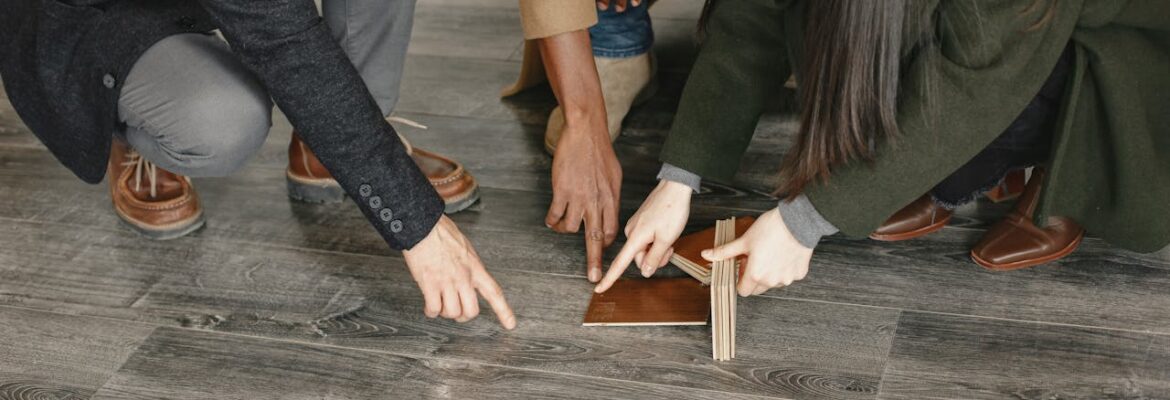
Mixing tile and wood flooring has become a popular design choice for homeowners who want both style and practicality in their living spaces. When planned carefully, it can enhance both the look and functionality of a home, creating visual interest without sacrificing comfort. Homeowners often gravitate toward this approach because it allows different areas of the house to serve their purpose more effectively. If you are exploring options for wood flooring in your new home alongside tile, understanding how these materials work together from the start will help you make confident, long-lasting decisions.
This guide walks you through everything you need to know before combining tile and wood flooring, from design flow and durability to transitions and maintenance. The goal is to help you create a home that feels cohesive, comfortable, and built to last.
Understanding Mixing Tile And Wood Flooring in Your New Home
Tile and wood each bring unique strengths to a home, which is why many homeowners choose to combine them rather than commit to just one option. Wood flooring offers warmth, character, and a timeless appeal that works beautifully in living areas, bedrooms, and shared spaces where comfort matters most. If you’re investing in wood flooring in your new home, it often becomes the foundation of the overall design, setting the tone for the rest of the interior.
Tile provides durability, moisture resistance, and easy upkeep, making it a practical choice for kitchens, bathrooms, entryways, and laundry rooms. By using each material where it performs best, homeowners can create a balanced environment that supports daily life while still feeling intentional and stylish. When approached with care, this contrast enhances both function and aesthetics.
Creating Visual Flow Between Different Flooring Materials
One of the biggest challenges when mixing tile and wood flooring is maintaining a sense of flow. Flooring should guide the eye naturally from one room to the next without abrupt or jarring transitions. Color coordination plays a major role here. Wood tones and tile shades should complement each other rather than compete.
Flow is also influenced by pattern and scale. A busy tile design placed next to a heavily grained wood can feel overwhelming, while a simpler tile paired with subtly textured wood often feels more balanced. The goal is harmony, not uniformity, so each material enhances the other without stealing focus.
Choosing The Right Rooms For Tile Versus Wood
Determining where tile should transition to wood requires practical planning, especially during the moving process when layout decisions affect long-term comfort. When packing, loading, and setting up furniture, homeowners often notice which areas face heavier use, moisture, or constant foot traffic. That awareness becomes even more important when moving into a new house and evaluating how flooring choices will handle daily movement, boxes, and future wear. Kitchens, bathrooms, mudrooms, and entryways typically benefit from tile because they handle spills, tracked-in dirt, and temperature changes with less effort.
Wood flooring works well in living rooms, dining areas, hallways, and bedrooms, where comfort and visual flow matter more once the move is complete. Still, lifestyle factors should guide final decisions. Homes with pets, children, or frequent visitors may rely more on tile in shared areas to reduce upkeep during and after the move. Flooring choices made with the realities of moving in mind often lead to fewer adjustments later and a smoother transition into everyday living.

Matching Undertones For A Cohesive Look
Undertones are often overlooked but play a crucial role in whether mixed flooring feels intentional. Wood flooring typically carries warm, cool, or neutral undertones, and tile does the same, even when it appears gray or beige at first glance. When undertones clash, the entire space can feel off balance.
Before committing to materials, view samples together in natural and artificial light. A warm oak may pair beautifully with a warm beige tile, but feel awkward next to a cool gray option. Taking the time to align undertones ensures the transition feels smooth and professionally designed.
Managing Height Differences And Subfloor Considerations
Tile and wood flooring rarely sit at the same height without planning. Tile installations often include backer boards, mortar, and thicker materials, while wood flooring height varies depending on whether it is solid, engineered, or laminate. Without proper preparation, these differences can create uneven surfaces or trip hazards.
A qualified installer can address this by adjusting subfloor layers or selecting materials with compatible thicknesses. Smooth height transitions are not only safer but also visually cleaner, reinforcing the sense that both flooring choices belong in the same home.
Selecting Transitions That Feel Natural
Transitions are where mixed flooring either succeeds or fails. A well-designed transition should feel subtle and purposeful rather than like an afterthought. Placement matters just as much as material. Transitions tend to work best in doorways, under archways, or where the layout naturally shifts.
The style of the transition should match the overall design of the home. Minimalist interiors often benefit from clean, flush transitions, while more traditional homes may accommodate slightly more defined separation. When transitions feel intentional, they enhance the overall flow instead of interrupting it.
Considering Long-Term Maintenance And Wear
Maintenance expectations should factor heavily into your decision-making. Tile generally requires less day-to-day care but may need grout cleaning over time. Wood flooring demands more attention, including protection from moisture, regular cleaning, and occasional refinishing, depending on the material.
Mixing flooring types means committing to two maintenance routines. Understanding this upfront helps avoid frustration later. Choosing finishes and sealants designed for durability can significantly extend the life of both surfaces and keep your home looking polished for years.

Thinking About Temperature And Comfort Underfoot
Comfort is not just visual; it is physical. Tile tends to feel cooler underfoot, which can be refreshing in warm climates but uncomfortable in colder seasons. Wood naturally retains warmth and offers a softer feel when walking or standing for long periods.
Radiant heating systems can help balance these differences, particularly in tiled areas. Rugs also provide an easy way to soften transitions and add warmth without covering the beauty of your flooring choices. Comfort considerations are especially important in areas where you spend the most time.
Avoiding Design Trends That Date Your Home
While mixing tile and wood is popular, certain combinations can quickly feel outdated. Overly bold patterns, extreme contrasts, or trendy colors may look striking now, but can limit appeal later. Flooring is a long-term investment, so timeless choices often offer the best return.
Neutral palettes, classic wood tones, and understated tile designs tend to age more gracefully. Even when adding personality, subtlety usually leads to a home that feels current without being locked into a specific era.
Planning For Resale Value And Buyer Appeal
If resale is part of your long-term plan, flooring decisions matter more than you might expect. Potential buyers often notice flooring immediately, and mismatched or poorly executed transitions can raise concerns about overall quality. A thoughtfully mixed floor plan, however, can signal intentional design and functional living.
Homes that use tile and wood strategically often appeal to a wider range of buyers because they balance beauty with practicality. Keeping the design cohesive and neutral helps future owners envision themselves in the space.
Working With Professionals To Get It Right
Even with a strong vision, professional input can make a significant difference. Designers and installers bring experience that helps anticipate issues related to layout, materials, and long-term performance. Their guidance can prevent costly mistakes and ensure the final result aligns with your expectations.
Clear communication is key. Sharing how you live, what you value, and how you want your home to feel allows professionals to tailor recommendations that support both style and function.
A Space That is Cohesive Rather Than Fragmented
Mixing tile and wood flooring can elevate a home when it is approached with thoughtful planning and a clear understanding of how each material contributes to the overall space. From visual flow and comfort to maintenance and long-term value, every decision plays a role in how cohesive the final result feels. Choosing wood flooring in your new home alongside tile is not just a design preference, but a practical investment in how your home functions day to day.
Whether you are renovating or settling into a fresh space, informed flooring choices help create a home that feels balanced, welcoming, and built to last. With the right preparation and attention to detail, combining tile and wood flooring becomes a seamless way to enhance both the beauty and livability of your home.
Images used:
https://www.pexels.com/photo/people-pointing-at-the-floor-7489108/
https://www.pexels.com/photo/two-people-looking-at-a-paint-color-brochure-8293681/